- PR
- Social
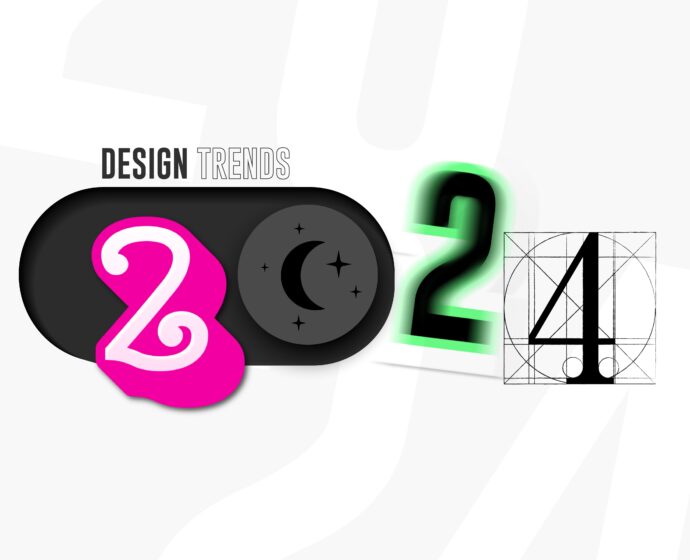
Our Five Favourite Design Trends for 2024
08.01.24
Wondering what will be influencing the graphic design world as we move through 2024? Look no further.
08.01.24
Wondering what will be influencing the graphic design world as we move through 2024? Look no further.

02.01.24
Finding new experiences, pushing boundaries you didn’t feel were achievable, and enjoying the here and now – that’s what the Live Free Fund is all about.
13.12.23
After the year in which we bid farewell to Twitter and said hello to Threads, what can we expect to be shaping the social landscape in 2024?

29.11.23
This national career development month, junior content exec Stella reflects on her first six months of working life.

20.11.23
Long a staple of many a brand’s repertoire, newsletters don’t necessarily conjure images of super slick marketing. But LinkedIn might offer an interesting solution.

20.10.23
The catchily named ‘Not a Bot’ from X has reignited discussion about subscription models for social platforms. So, what are the implications?
06.10.23
It might sound like a relatively dry policy announcement, but the DSA is huge news and offers marketers previously unavailable insights.
19.09.23
It’s been a strange year for X so far, with questionable decisions being made left, right and centre. So what might the future hold?

13.09.23
After a sliding doors moment saw me stay in the UK instead of moving to Japan many years ago, I’d always wanted to visit to explore what might have been.

09.09.23
Physically unfit and with an appetite for chocolate and wine, running 100 miles in a month was never going to be easy but it’s part of an important journey.
15.08.23
It has, without a doubt, been one of the most challenging, brilliant, emotional and magical journeys I have ever embarked on.
09.08.23
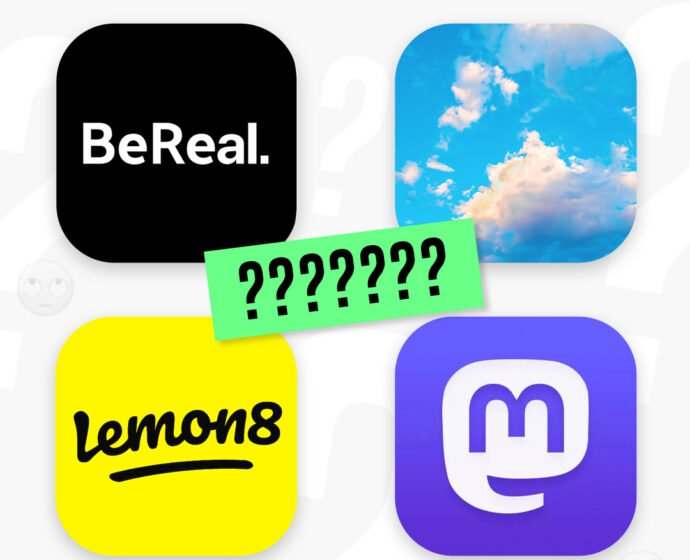
Are you looking at the plethora of social media platforms out there and wondering whether you’re investing your energy in the right places for your brand?